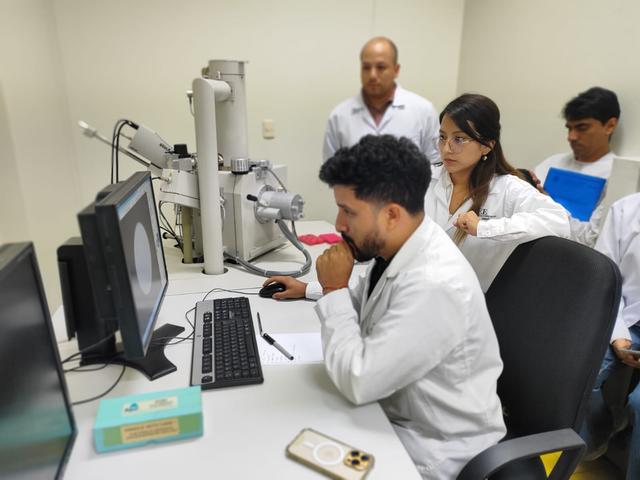
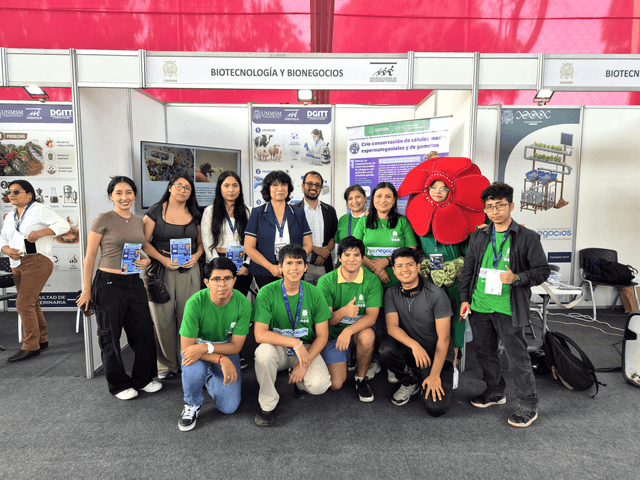
Facultad de Ciencias Biológicas presentó patentes y proyectos de innovación en la III Feria de Prototipos de Investigación Sanmarquina 2026
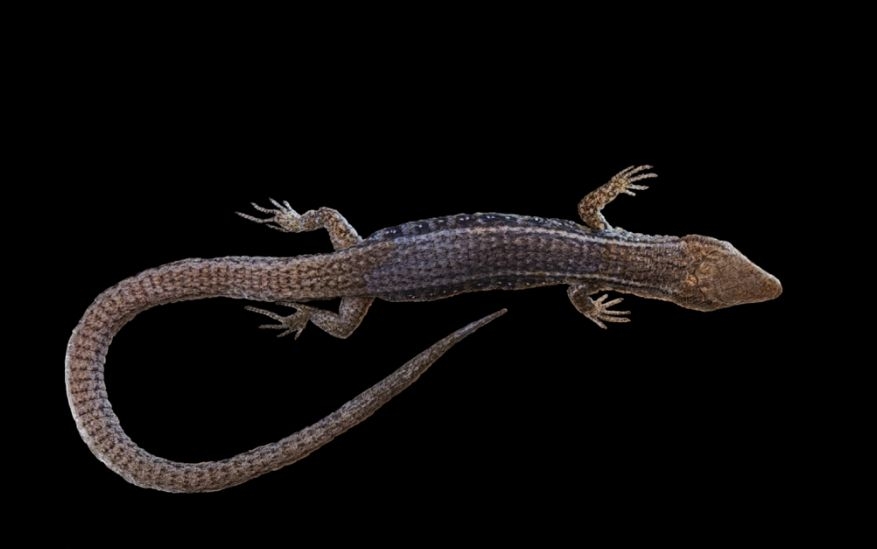
Artículo científico | Waiting to Be Discovered: A New Lizard Species of Wilsonosaura (Squamata: Gymnophthalmidae) from the City of Ayacucho in the Andes of Central Peru
Revista: Taxonomy
DOI: https://doi.org/10.3390/taxonomy6020034
Autores: Juan R. Gamboa Yupanqui, Cesar Aguilar Puntriano, Miguel Vences y Edgar Lehr
Docente de la Facultad: Cesar Aguilar Puntriano
Abstract:
Wilsonosaura Lehr, Moravec, Von May, 2020, was described as a monotypic genus from central Peru, based on genetic and morphological characters. This genus is easily distinguished from other lizards in the gymnophthalmid subfamily Cercosaurini, except for Proctoporus, by the presence of an undivided translucent lower palpebral disk, weakly keeled dorsal scales, and the absence of preanal pores. Morphological synapomorphies to distinguish Wilsonosaura and Proctoporus have not been identified. Consequently, differentiation of both genera continues to require molecular analysis. We describe a new species of Wilsonosaura based on morphological and DNA sequence data and extend the geographic distribution of this genus by 88.53 km to the southeast of Ayacucho, Peru, from the nearest known record to date. The new species is known only from the Ayacucho Department, Huamanga and Huanta Provinces, in the eastern Andes, between 2674 and 2800 m a.s.l., where it inhabits humid areas along riverbanks, urban areas, and farming areas and can be found under rocks, logs, and urban buildings. Wilsonosaura sp. nov. can be distinguished from W. josyi by the absence of fusion of the first superciliary and first supraocular scales, a lower count of scales in the mid-body, a higher scale row count on the side of the neck, a smaller size, and a different coloration pattern.